iPhone 17 vs. Pixel 9 Pro: Which Premium Mobile Phone Actually Delivers More Value?
When did a phone stop being just a phone and become the control center for daily life, work, and connected devices? In the mobility-IoT world, premium mobile phones power secure access, app ecosystems, smart home control, mobile payments, camera workflows, and field productivity. On paper, they can look similar, but value comes from display quality, battery life, AI features, and long-term support. In my experience, people usually overbuy specs they never use, or underbuy and regret it six months later. Let’s sort that out.
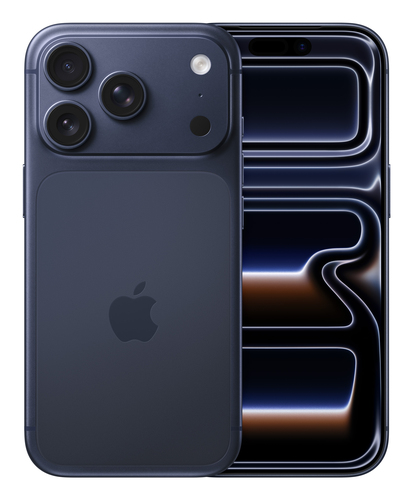
What Premium Phone Specs Actually Matter Day to Day
The specs that matter most usually shape how the phone feels at 8 a.m. and 8 p.m., not just in a lab. A fast processor keeps apps opening quickly, RAM helps with multitasking, and storage matters more than people think when photos, 4K video, offline maps, and work files pile up. A 120Hz display, for example, makes scrolling and gaming feel smoother, while higher brightness helps outdoors.
Battery capacity and charging speed matter too, especially if you commute or travel; benchmark scores don’t pay the bills when your phone dies on the train. 5G, Wi‑Fi 6/7, and strong wireless radios can speed uploads and keep cloud tools responsive. Premium phones also tend to use better glass, brighter panels, and better thermal management, which means they stay comfortable under load instead of throttling. I’d also add camera hardware to the list. Better sensors, stabilization, and image processing usually make a bigger difference than raw megapixels. If you’re browsing smartphone category options, match the specs to your habits first. A huge RAM number can be overkill for casual users, while battery life and dependable connectivity often matter most for everyday reliability.Why the Right Phone Can Save Time, Not Just Look Good
A premium phone is really about friction reduction. Faster cameras let parents grab a sharp photo before the moment passes, and smarter AI tools can clean up images, summarize notes, or draft a message in seconds. That same speed helps professionals scan a receipt in bad lighting, students join a call from a train, or creators trim a short video on the go.
I’ve seen this in support work: the person who leans on their phone as a primary device usually feels the upgrade most. Better app responsiveness means less waiting, less tapping twice, less irritation. When outages happen, hotspot mode, battery sharing, and stronger modem performance can be a genuine lifesaver. That said, premium options aren’t always worth it if you mostly use messaging, banking, maps, and photos. For many people, midrange is enough. Still, current trends like on-device machine learning, AI-assisted photo editing, and stronger privacy controls are moving fast, and they’re making high-end phones more useful every year. Apple’s ecosystem philosophy is a good example of that polish, and Apple’s official mobile lineup overview shows how tightly the hardware and software fit together. My honest take? If your phone saves you ten minutes a day, the math starts looking pretty good.Real-World Use Cases: Who Needs a Flagship and Who Doesn’t?
Are you mostly streaming, texting, and browsing? Do you shoot a lot of photos and video? Do you need a phone for work apps, secure authentication, and cloud collaboration? Those questions usually tell the real story.
Mobile creators often want larger storage, better stabilization, and thermal consistency so the phone doesn’t get hot mid-shoot. Business users care about battery endurance, secure biometrics, and multitasking. Travelers want long battery life, solid signal performance, and offline navigation. Casual users? They’re often happiest with a midrange model, a good case, and money left over. In my experience, the biggest regret comes from buying a premium mobile phone for status instead of workflow. Quick win: match your phone to your heaviest daily task, not your rarest one. That advice sounds simple, but it saves a lot of buyer’s remorse. There’s also a sustainability angle here. Keeping a phone longer, choosing durable materials, and avoiding unnecessary upgrades can reduce e-waste and stretch your budget. If you’re comparing modern device categories, the enterprise phone trade-offs discussed in this Samsung mobility guide are a useful reminder that the best device is the one that fits the job, not the one with the loudest launch hype.Feature Trade-Offs, Ecosystem Lock-In, and Long-Term Value
People often miss the hidden costs. Repairability, software update support, resale value, accessories, ecosystem lock-in, and service availability all shape long-term value. Premium phones usually hold value better, but the total cost of ownership can still climb once you add cases, chargers, storage subscriptions, and insurance.
On the flip side, a strong ecosystem can be genuinely convenient: shared files, synced photos, watch pairing, earbuds, tablet handoff, and messaging continuity all save time. Switching ecosystems is doable, but it’s not always painless if you already rely on smart speakers, laptops, or tablets from one brand. Common mistakes to avoid: buying too much storage “just in case,” ignoring battery health, forgetting carrier compatibility, and assuming every premium feature will matter to you. Some readers may even prefer ruggedized or business-oriented models, and for that audience, this Samsung enterprise phone comparison helps frame the trade-offs well. I’d also watch service access; if repairs are a hassle where you live, that can erase a lot of value. The takeaway is simple: value comes from fit, not hype, and premium mobile phones only make sense when the ownership experience stays smooth after the first month.Apple iPhone 17 512GB White vs. Google Pixel 9 Pro: Which Flagship Fits You Best?
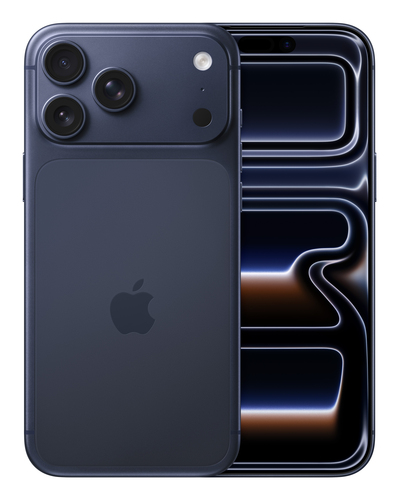
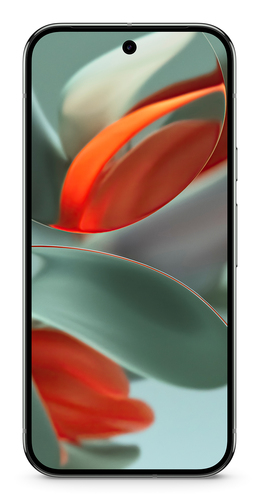
If you’re comparing the Apple iPhone 17 512GB White with the Google Pixel 9 Pro, the real difference is usually how you work, shoot, and communicate. The iPhone 17 stands out with a brighter display, ProMotion up to 120Hz, Ceramic Shield 2 durability, and a Center Stage front camera, which makes everyday use feel smooth and video calls look polished. The Pixel 9 Pro counters with 16 GB RAM, 512 GB storage, a 4700 mAh battery, Gemini AI assistant, and a clean Android experience that many users like for automation and flexibility.
If you care most about camera consistency, AI-assisted productivity, and Android customization, the Pixel may fit better. If you value polished hardware, ecosystem integration, and strong resale value, the iPhone can be very compelling. For content creation, travel, mobile work, and family communication, both are strong; neither is universally better. It really comes down to habits, not hype.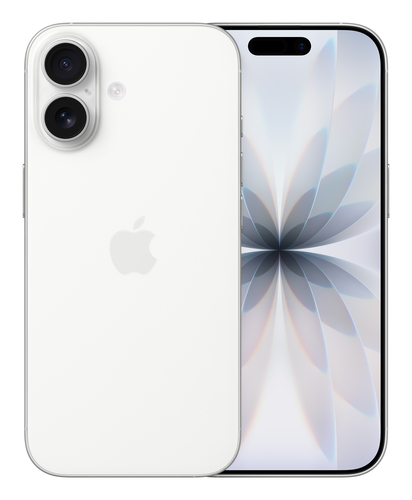
How to Choose the Right Premium Mobile Phone Without Regret
Start with your top three tasks: camera, battery, work apps, gaming, travel, or ecosystem pairing. Then set a budget ceiling and decide whether premium features are truly worth the stretch.
Next, compare display refresh rate, storage size, battery capacity, and the software support window. Check carrier compatibility, charging accessories, and trade-in options, because those details can change the final price more than you’d expect. Read a few real-world reviews that talk about battery life, heat, and camera consistency, not just benchmark scores. If you can, test the phone in person so you can feel the grip, size, and weight. I always tell people to choose enough storage for two to three years, keep a case and screen protector in mind, and verify whether their favorite apps behave better on iOS or Android. One good troubleshooting tip: if you’re torn between two models, compare the one you’d still keep after the novelty wears off. That’s usually the winner. And honestly, the best premium mobile phone is the one you’ll use comfortably every day without second-guessing it.Conclusion
Premium mobile phones can be fantastic tools, but only when the features match real needs. The big decision points are usually display quality, battery life, AI tools, storage, camera performance, durability, and ecosystem fit. Sometimes the pricier model is worth it; sometimes it’s just expensive overkill. The trick is to think about how you actually use your phone on busy weekdays, not how you imagine using it on a perfect weekend. That matters even more now, because mobile phones sit at the center of modern mobility-IoT, connecting people to apps, services, devices, and work all day long.
The market is also shifting fast. On-device AI, smarter photography, and stronger privacy controls are making today’s flagship phones more capable than many older laptops in some tasks. My advice? Compare the options side by side, ignore the marketing noise, and choose the device that makes everyday life easier, faster, and less annoying. If you’re shopping now, start with the smartphone category and pick the premium phone that truly fits your routine.Frequently Asked Questions
Common questions about Mobile Phones